GO FOR A GREEN ENVIRONMENT
Housing is a fundamental right, yet the housing shortage remains a major challenge everywhere. The pressure is not only on the number of available homes, but also on the costs of rent, mortgages and energy bills. Even people looking to move within the housing market struggle due to limited supply. Cities and villages must therefore grow while maintaining or improving quality of life. That is complex, but we believe it can be done.
To meet housing demand, Volt aims to build 25,000 additional homes in Tilburg before 2040. This means delivering around 1,700 homes each year. These homes must meet today’s expectations: a comfortable indoor climate, low energy costs and suitability for all stages of life.
GO FOR A GREEN ENVIRONMENT
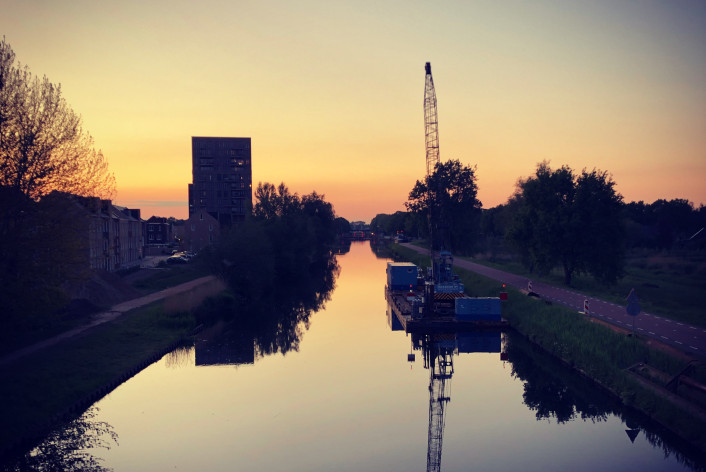
2.1 Our Vision on Housing: Sustainable and Climate Resilient
Make better use of existing buildings by supporting the conversion of vacant properties into housing or useful facilities.
Allow large and expensive homes to be divided into smaller units.
Use temporary modular housing to address short term vacancies.
Enable new housing models such as co living homes for friends, multi generational housing, senior courtyards and private housing cooperatives.
Build in rural areas only if options within the urban area are insufficient. Infill development remains the preferred option.
Tackle vacancy and repurpose buildings for housing, work or cultural use. Enable temporary housing in vacant properties.
Explore opportunities for splitting, adding extra floors, extending ground floors, adding units and transforming existing buildings.
Identify locations suitable for high rise development.
Build for the future. New homes must be sustainable and energy efficient, in line with the city’s climate objectives. This requires innovative construction methods, circular building practices and reuse of materials. Quantity must never take precedence over quality. We build for the long term.
Ensure buildings fit within the existing urban structure while contributing to a varied streetscape and a vibrant city.
Establish clear assessment criteria for urban planning, public space, cultural heritage, monuments and architectural quality.
Learn from successful international examples, such as developments in Southern Europe and Germany, where housing blocks with shared facilities like laundry rooms, gardens and sports areas contribute to efficient land use and greener living environments.
Stimulate the use of bio based materials in new housing developments.
2.2 A Green Environment
In the coming years, we will significantly increase greenery in Tilburg. We aim for more trees, more green roofs and more green spaces throughout the municipality. We draw inspiration from cities such as Vilnius, Paris, Hamburg and Barcelona. This means taking the following steps, not only in new developments but also in existing neighbourhoods.
Every resident should be able to see at least three trees from their home.
30 percent of rooftops in Tilburg will become green roofs.
From every home, a park or green space should be reachable within 300 metres.
Encourage private tree planting to increase the number of trees in the city.
Introduce green parking spaces that improve water absorption and reduce heat compared to fully paved surfaces.
Prepare for extreme rainfall: by 2050, public space must withstand peak showers of up to 60 mm per hour.
Improve water infiltration by reducing paving, disconnecting rainwater drains from the sewage system and applying smart solutions to prevent pollution from runoff rainwater.
2.3 Space for Students
The number of student homes will grow in line with the number of students in the city.
Actively tackle discrimination in the student housing market, with special attention to international students.
2.4 Student Housing in Care Centres
Opportunities exist to create student rooms within care centres. This creates a win win situation: students struggle to find housing and care facilities face staff shortages. Students gain affordable housing, while care homes benefit from additional support.
2.5 Housing for Every Generation
We build with every generation in mind and ensure a balanced housing mix that supports mobility within the housing market. Development plans take into account starters, seniors, single households and young families.
2.6 Social Housing
Volt aims to provide new homes for all types of housing seekers, including starters and seniors, often small households with limited budgets. At least 30 percent of new housing will consist of social rental homes.
2.7 Liveable Villages
The villages of Udenhout, Berkel Enschot and Biezenmortel each have their own character, dynamics and specific challenges. We stand up for these communities within the municipality. Therefore, we will:
Maintain and strengthen local facilities and liveability in the villages.
Create space for the next generation to remain in their village and build their future there.
2.8 Urban Renewal
In new developments and neighbourhood regeneration, we draw inspiration from successful examples such as Weespersluis, Brandevoort in Helmond, Le Plessis Robinson in France and our own Piushaven.
2.9 Heritage
Protect and make optimal use of Tilburg’s heritage.
Preserve monuments and the historic cityscape.
Make history visible and accessible for residents and visitors.
2.10 Agriculture
Promote land based, organic, circular and nature inclusive agriculture, aimed at reducing the use of concentrated feed, artificial fertilisers and pesticides.
Invest in food education and introduce students to how food is produced.
Phase out technologies that harm animal welfare, such as air scrubbers.
Strengthen nature and landscape management with an important role for the agricultural sector.
Work actively with entrepreneurs and the province.
Continue promoting locally produced products that meet sustainability standards and serve these local and sustainable products at municipal events.
Oppose large scale manure digestion facilities within municipal boundaries.
2.11 Space for Animals
More greenery means more life, but animals require specific conditions. Volt focuses on:
Restored natural streams, benefiting fish, waterfowl and insects.
Wadis that capture rainwater and enhance biodiversity.
Increased flora to create habitats and connect natural areas, sometimes through simple ecological corridors.
Monitoring and improving the six conditions for wildlife: Food, Shelter, Variety, Reproduction, Connectivity and Safety.
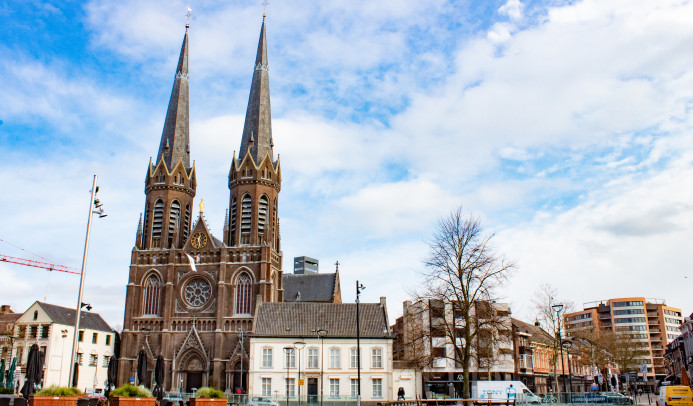
In Tilburg, no one is left behind. We are committed to reducing poverty and supporting residents so they can fully participate in society. This means investing in what truly works, reducing bureaucracy and restoring trust. We provide targeted support, opportunities to move forward, and a municipality that stands alongside its residents. Together, we are building a city with prospects for everyone.
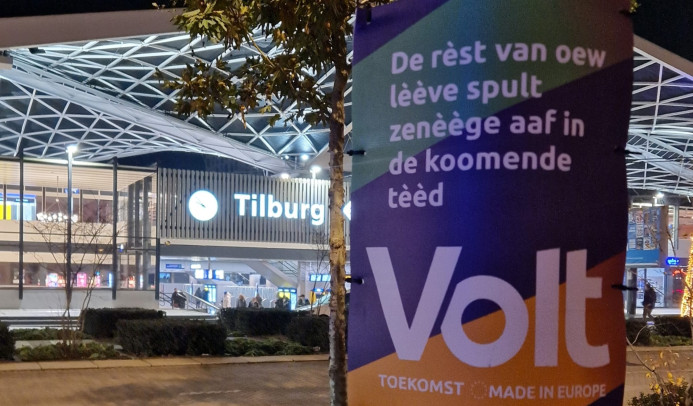
Small and medium sized enterprises are the engine of our local economy. Entrepreneurs not only create jobs and contribute to a diverse retail landscape, but also help build a vibrant city by supporting associations and sports clubs. We want Tilburg’s entrepreneurs to have the space to operate sustainably and responsibly. By working closely with SMEs, we are building a stronger Tilburg where economic growth goes hand in hand with social responsibility and sustainability.
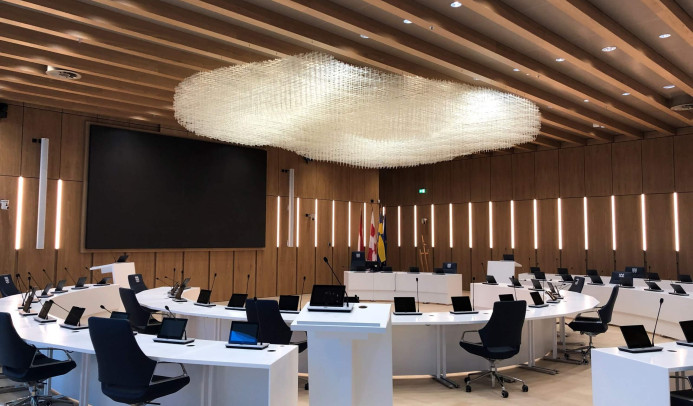
Volt believes that a strong democracy depends on the active involvement of residents. Governments and politicians must listen to citizens, and residents must have real influence over decisions that affect them. By organising citizens’ assemblies and fostering an open attitude within government, we can strengthen trust between the municipality and its residents. Together, we can build municipalities where everyone has the opportunity to make their voice heard and where decisions are clear and workable. A democracy with equal opportunities for all forms the foundation of a healthy society.
Volt stands for a world that is closely connected as one. That is why it is essential that the municipal network of roads, railways and waterways connects effectively to the rest of the Netherlands and Europe. By innovating and investing in new technologies and transport solutions, we aim to reduce travel times. Well connected cycling infrastructure and energy efficient roads are equally important.