Ga voor duurzaam ondernemen
Small and medium sized enterprises are the engine of our local economy. Entrepreneurs not only create jobs and contribute to a diverse retail landscape, but also help build a vibrant city by supporting associations and sports clubs.
We want Tilburg’s entrepreneurs to have the space to operate sustainably and responsibly. By working closely with SMEs, we are building a stronger Tilburg where economic growth goes hand in hand with social responsibility and sustainability.
Ga voor duurzaam ondernemen
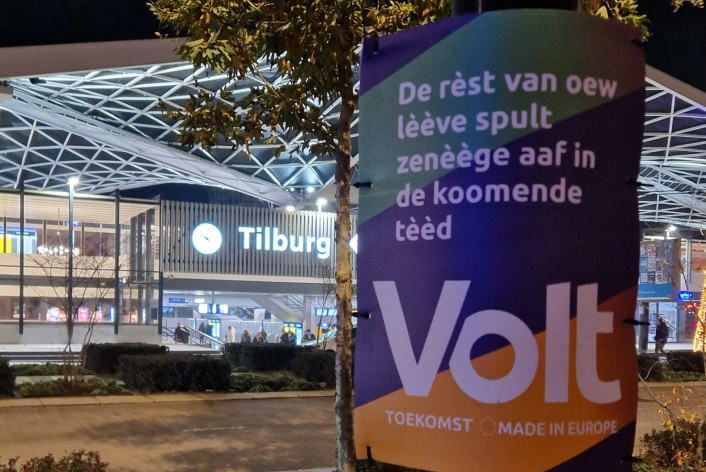
3.1 Entrepreneurship
A vibrant city requires more than shops and housing. It depends on accessibility, sustainability and cooperation. In Tilburg, we are committed to a city centre and retail areas that are easily accessible, prioritising cycling, public transport and pedestrians. We encourage mixed use development, where living, working, shopping and recreation come together. Together with SMEs, we are building a sustainable and socially responsible economy, while making business parks greener, safer and future proof.
Ensure good accessibility in the city centre and shopping areas, prioritising alternatives to the car such as cycling, public transport and walking.
Explore whether zoning plans can be simplified to promote mixed use areas combining housing, retail and leisure.
Work closely with SMEs to promote sustainable and socially responsible entrepreneurship.
Make business parks more sustainable while improving safety.
Aim for a fully circular and socially sustainable economy.
Critically review regulations to remove contradictions and unnecessary rules, reducing administrative burdens.
Think alongside entrepreneurs rather than focusing on limitations. Sustainable plans that also strengthen the municipality should benefit both parties.
3.2 Labour Market
Establish clear frameworks for the use of AI within the municipality.
Strengthen cooperation between businesses and educational institutions to provide effective retraining and reskilling.
Developments in the labour market create both opportunities and challenges. AI can deliver significant benefits, but also carries risks and will reshape employment. It is therefore essential to closely monitor these developments and safeguard labour participation in Tilburg.
3.3 Events
Ensure space for young people under 18 at major city events. During Carnival, for example, a dedicated youth square will be organised.
Keep space for events as a permanent part of the urban offering.
Purchase the provincial MOB site to safeguard festivals such as Draaimolen, with ecological compensation elsewhere in the municipality.
Work towards a climate neutral Tilburg fair by 2040.
3.4 Tourism
We organise tourism in a sustainable and fair way. We draw inspiration from Copenhagen, where visitors help keep the city clean through reward programmes. A similar approach in Tilburg can reduce overcrowding, create cleaner streets and improve the balance between residents and visitors.
Promote sustainable tourism through walking and cycling routes and by strengthening recreational infrastructure.
Continue investing in Tilburg’s city marketing, both within the Netherlands and in neighbouring countries.
3.5 Labour Migration
Ensure labour migrants are always registered with the municipality.
Make registration possible online and available in multiple languages.
Act more strictly against companies that leave workers without housing when employment ends.
Strengthen cooperation with organisations such as BARKA to support homeless and vulnerable EU citizens.
For housing developments on the edges of the municipality, always engage proactively with neighbouring municipalities.
3.6 Energy Transition
Continue investing in sustainable housing and renewable energy generation.
The municipality will purchase only green electricity and lead by example.
3.7 Cross Border Cooperation
European cooperation offers tangible benefits for Tilburg. We exchange ideas and solutions with cities facing similar challenges, such as Mönchengladbach in Germany and Leuven in Belgium. By learning from their successes in public transport, sustainability and urban development, we can strengthen our own policies. International cooperation and knowledge exchange help us improve Tilburg and build a city that is ready for the future.
Explore how to involve Eurocities more effectively in policy making and urban development.
Examine opportunities to establish new partnerships with cities in neighbouring countries.
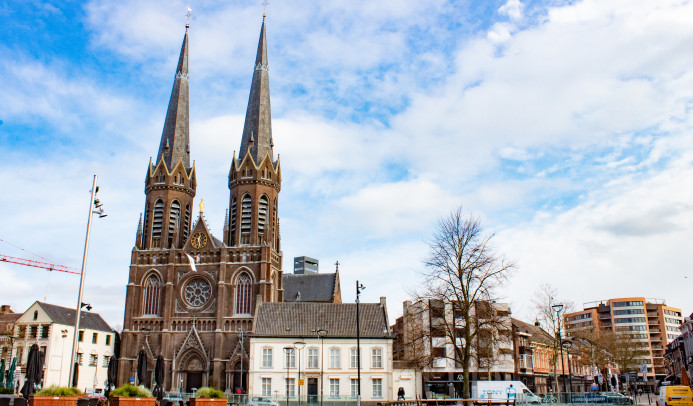
In Tilburg, no one is left behind. We are committed to reducing poverty and supporting residents so they can fully participate in society. This means investing in what truly works, reducing bureaucracy and restoring trust. We provide targeted support, opportunities to move forward, and a municipality that stands alongside its residents. Together, we are building a city with prospects for everyone.
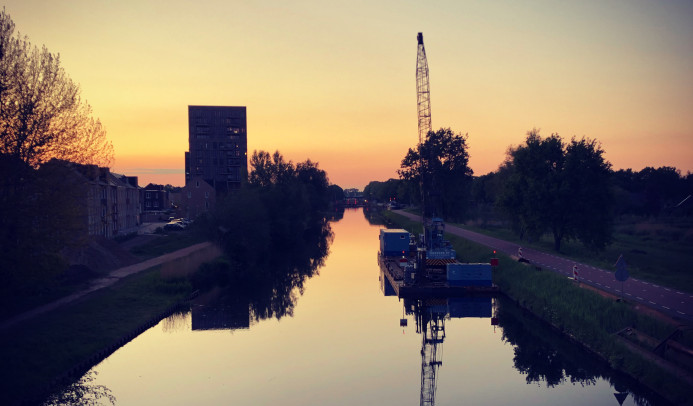
Housing is a fundamental right, yet the housing shortage is a major challenge everywhere. The pressure is not only on the number of homes available, but also on the costs of rent, mortgages and energy bills. Even people looking to move within the housing market face difficulties due to limited supply. Cities and villages must therefore grow while maintaining or improving quality of life. That is complex, but we believe it is possible.
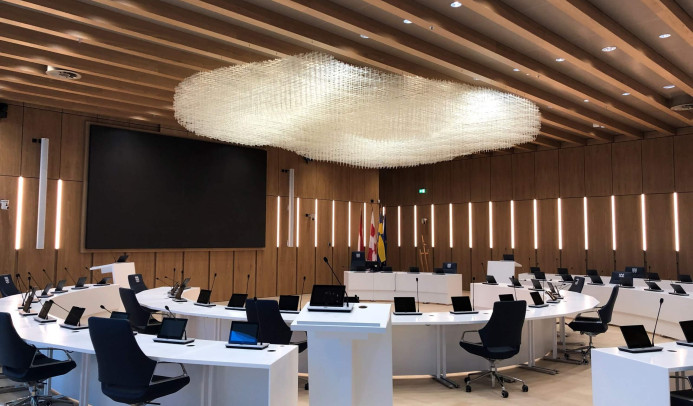
Volt believes that a strong democracy depends on the active involvement of residents. Governments and politicians must listen to citizens, and residents must have real influence over decisions that affect them. By organising citizens’ assemblies and fostering an open attitude within government, we can strengthen trust between the municipality and its residents. Together, we can build municipalities where everyone has the opportunity to make their voice heard and where decisions are clear and workable. A democracy with equal opportunities for all forms the foundation of a healthy society.
Volt stands for a world that is closely connected as one. That is why it is essential that the municipal network of roads, railways and waterways connects effectively to the rest of the Netherlands and Europe. By innovating and investing in new technologies and transport solutions, we aim to reduce travel times. Well connected cycling infrastructure and energy efficient roads are equally important.