TOWARDS SMART MOBILITY
Volt stands for a world that is closely connected as one. That is why it is essential that the municipal network of roads, railways and waterways connects effectively to the rest of the Netherlands and Europe. By innovating and investing in new technologies and transport solutions, we aim to reduce travel times. Well connected cycling infrastructure and energy efficient roads are equally important.
Reliable, affordable and accessible public transport makes it easy for everyone to move around. We will also make shared mobility widely available and more affordable than owning a private vehicle. This contributes to a sustainable, accessible and well connected municipality.
TOWARDS SMART MOBILITY
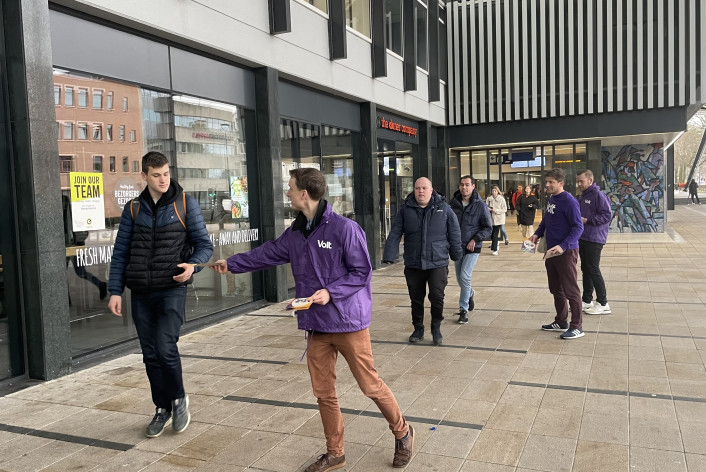
5.1 Road Safety
Road safety must be the highest priority in all new plans and in addressing existing unsafe situations. Every resident of Tilburg should be able to move safely, confidently and without obstruction, whether on foot, by bicycle, by public transport or by car. Structural investment in safe roads, complex intersections and well maintained cycling paths is essential.
Develop an action plan to redesign the ten most dangerous intersections.
Ensure safe crossings around the ring road for cyclists and pedestrians.
Implement measures that encourage behavioural change in traffic.
Learn from Helsinki, where zero traffic fatalities were recorded in 2019 and again between 2024 and 2025, and apply similar approaches in Tilburg.
Separate car and bicycle traffic wherever possible, especially where speed differences are significant.
Allocate more attention and budget to cycling safety for seniors on e bikes and for students, taking into account the growing diversity of bicycles in traffic.
Monitor the results of the provincial startup “It’s up to you,” aimed at reducing smartphone use among young people in traffic. If successful, introduce this initiative in Tilburg.
5.2 Cyclists and Pedestrians
Ensure cycling paths and pavements are well lit.
Assess per area where traffic calming is possible and apply adequate measures where it is not.
Provide sufficient bicycle parking and charging points for electric bikes, especially near shopping centres and public transport hubs.
Expand fast cycling routes and bicycle streets, for example from Stappegoor to Goirle and along Broekhovenseweg.
Give priority to cyclists and pedestrians at busy signal controlled intersections.
Keep pavements and cycle paths safe, level and well maintained. During construction works, provide clear and accessible detours and restore surfaces to equal quality afterwards.
Encourage cooperation with companies, schools and institutions to promote cycling as a primary commuting option.
Ensure pavements are accessible for people using rollators, wheelchairs or pushchairs.
5.3 Cross Border Public Transport
Advocate for a direct train connection to Utrecht.
Explore how to make optimal use of the direct rail connection between Eindhoven and Düsseldorf.
Establish strong connections to Turnhout and maintain close cooperation with Belgian neighbours.
Work with the province to improve night time public transport, for example through a combination of bus and rail services.
Maintain schemes that ensure public transport remains accessible to everyone.
5.4 The Brabantroute
Freight transport along the Brabantroute carries risks that may endanger people living near the railway. This requires additional safety measures. The fact that an ammonia pipeline has not been included in the Delta Rhine Corridor represents a missed opportunity.
Work with other municipalities to advocate for the inclusion of ammonia transport within the Delta Rhine Corridor.
Investigate safety risks for housing located near the railway and take appropriate action.
5.5 Car Mobility
Provide sufficient charging stations for electric vehicles.
Critically assess which areas can be made more car free or traffic calmed.
Explore the possibility of fast charging hubs in neighbourhoods with many electric vehicles.
Reduce the maximum speed on the ring road to 50 km per hour.
Invest in green buffers and trees along busy roads to reduce noise and air pollution.
Improve safety around schools by reducing car traffic and creating more space for walking and cycling.
Promote shared mobility such as car sharing and bike sharing to reduce the number of cars in the city.
Where possible, construct new parking facilities underground or within buildings, keeping public space above ground greener and more liveable.
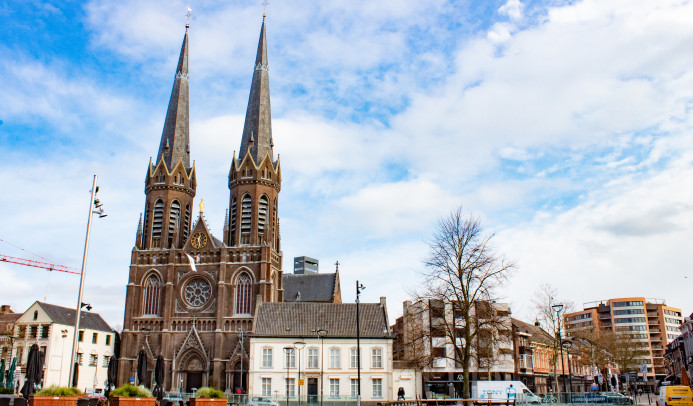
In Tilburg, no one is left behind. We are committed to reducing poverty and supporting residents so they can fully participate in society. This means investing in what truly works, reducing bureaucracy and restoring trust. We provide targeted support, opportunities to move forward, and a municipality that stands alongside its residents. Together, we are building a city with prospects for everyone.
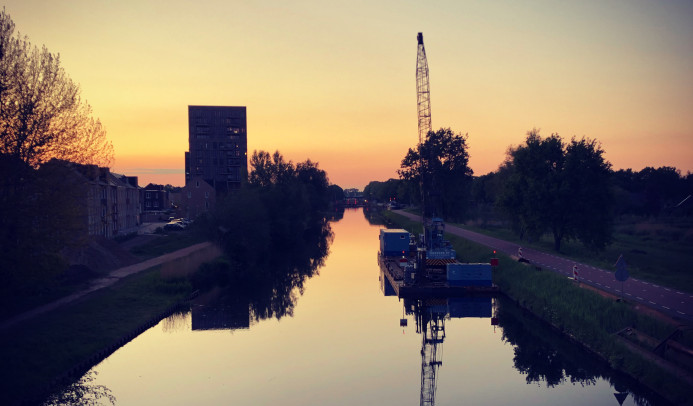
Housing is a fundamental right, yet the housing shortage is a major challenge everywhere. The pressure is not only on the number of homes available, but also on the costs of rent, mortgages and energy bills. Even people looking to move within the housing market face difficulties due to limited supply. Cities and villages must therefore grow while maintaining or improving quality of life. That is complex, but we believe it is possible.
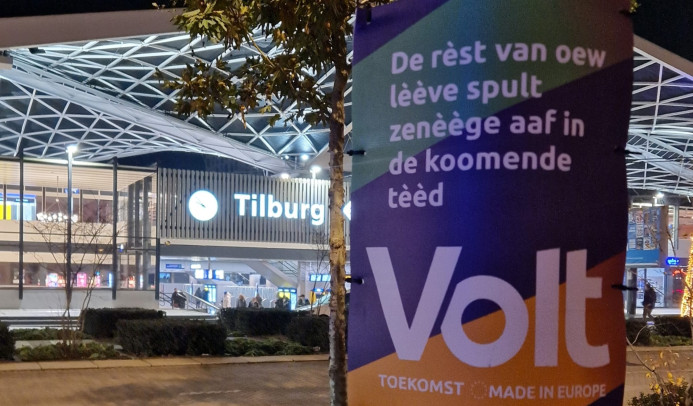
Small and medium sized enterprises are the engine of our local economy. Entrepreneurs not only create jobs and contribute to a diverse retail landscape, but also help build a vibrant city by supporting associations and sports clubs. We want Tilburg’s entrepreneurs to have the space to operate sustainably and responsibly. By working closely with SMEs, we are building a stronger Tilburg where economic growth goes hand in hand with social responsibility and sustainability.
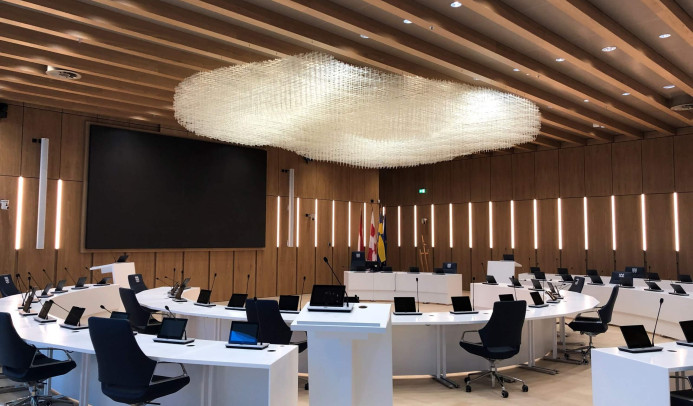
Volt believes that a strong democracy depends on the active involvement of residents. Governments and politicians must listen to citizens, and residents must have real influence over decisions that affect them. By organising citizens’ assemblies and fostering an open attitude within government, we can strengthen trust between the municipality and its residents. Together, we can build municipalities where everyone has the opportunity to make their voice heard and where decisions are clear and workable. A democracy with equal opportunities for all forms the foundation of a healthy society.