Expelled from the council, forgotten by the city
In 1940, thirteen Amsterdam city councillors were expelled because they were Jewish or communist. Their names disappeared from the official records, and their stories were largely forgotten.
City councillors Itay Garmy (Volt) and Lian Heinhuis (PvdA) have submitted an initiative proposal to ensure they are finally recognised and permanently commemorated.
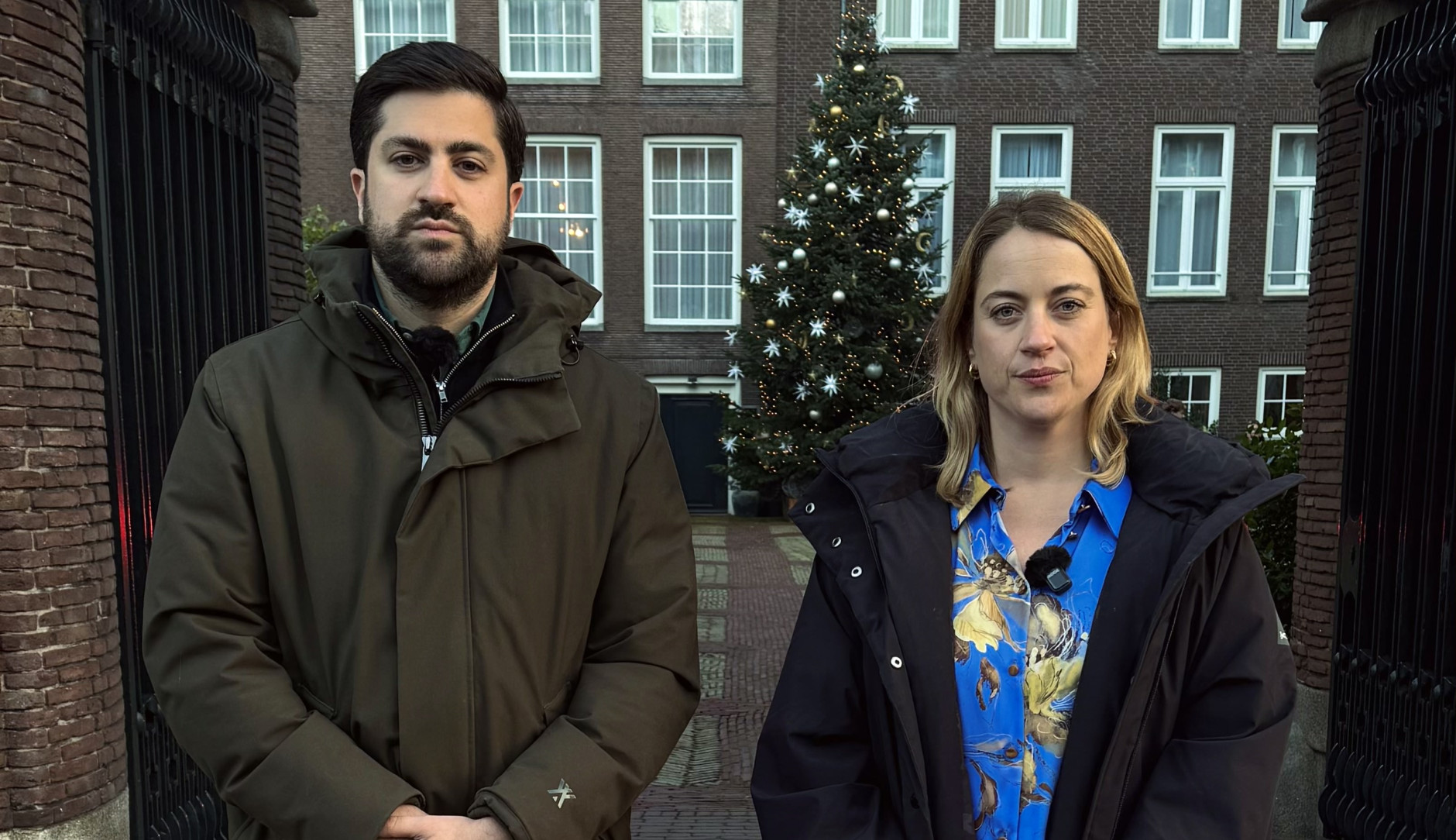
The photo above was taken at the entrance to Amsterdam's former City Hall, which is now a hotel.
Why This Proposal Is Needed
The history of these thirteen expelled councillors shows how fragile a democracy can become when exclusion is normalised and when people remain silent in the face of injustice.
The pain lies not only in what was done, but also in what was left unsaid. There was no protest, no support, and no recognition.
The fact that their stories have almost disappeared demonstrates how easily injustice can fade from view when no one takes responsibility for remembering it.
This proposal seeks to change that.
What we will do
The initiative proposed by Volt and PvdA consists of three elements.
1. Research and Documentation
Research will be conducted into the lives of the thirteen councillors. Their stories will be brought together in a publication, ensuring that future councillors and the people of Amsterdam know who these individuals were and what happened to them.
2. A Permanent Memorial
A permanent memorial will be installed at or inside the Stopera, making their names visible once again. In addition, a digital memorial will be created so that people everywhere, not only in Amsterdam, can learn about their stories.
3. An Annual Commemoration on the Historic Date
On 30 November 2025, exactly eighty-five years after the Jewish councillors were expelled from office, the first official commemoration will take place in the Old Council Chamber. It will be a moment for both the city and the council to reflect on what happened then, and on what those events continue to teach us today.
Why this matters today
Commemoration is not simply about looking back. It is about taking responsibility for the kind of society we want to be today.
At a time when discrimination and polarisation are becoming increasingly visible, when trust in the rule of law is under pressure, and when the temptation to look away can be strong, it is essential that we demonstrate that democracy requires active care and protection.
By making these thirteen councillors visible once again, we remind ourselves of a fundamental truth. Democracy is protected not only by laws and institutions, but also by people who are willing to speak out when it matters most.
Commemoration is a responsibility
For many people in Amsterdam, this is an unknown chapter of the city's history. For the descendants of those who were expelled, it is a loss that has never truly been acknowledged. For today's councillors, it is a lesson in democratic responsibility.
Commemorating these thirteen councillors is therefore more than a ceremonial act. It is an act of restoring what remained unspoken for far too long. It is also a reminder that exclusion must never become normal.
By making their stories visible, we strengthen and protect our democracy, both now and for future generations.